Ski Accident Attorney in Placer County
The waivers, the "inherent risks" rule, and the handful of situations where you actually do have a case — from a Sacramento lawyer who has driven up 80 in chain control more times than he can count.
A ski accident attorney in Placer County represents people hurt on the slopes and chairlifts at Palisades Tahoe, Northstar, Sugar Bowl, Boreal, and Soda Springs. California's "primary assumption of risk" rule bars claims for ordinary inherent risks of skiing — a bad turn, a mogul, a soft-snow crash. It does not protect resorts (or other skiers) when they act with gross negligence, when a chairlift fails, when equipment is defective, when a resort employee causes the collision, or when conditions were increased above the ordinary. The statute of limitations is two years. Cases are handled on contingency — no fee unless we win.
Every winter I get calls from people who were just skiing a groomer at Palisades or Northstar and woke up in the medical hut being told to sign three forms before they'd let them go to the hospital. And almost every one of those calls starts the same way: "I know I signed a waiver, so I don't think I have anything, but…"
You might. Or you might not. Ski law in California is more nuanced than the resort would like you to believe, and the piece of paper you signed at the ticket window is not the end of the conversation. Here's the honest breakdown.
Why California ski cases are hard — the "inherent risk" rule
California's Supreme Court, in a case called Knight v. Jewett, made a call in 1992 that has shaped every recreational-injury lawsuit in this state ever since. If you voluntarily take part in a sport, you assume the risks that are inherent to it. A hard fall on an icy Sunday morning at Alpine? Inherent. Catching an edge on a bump run at Sugar Bowl? Inherent. Getting worked in a tree well after a powder day? Awful — but still, legally, an inherent risk.
What that means in plain English: the resort doesn't owe you compensation just because you got hurt. The whole point of skiing is that it's a little dangerous, and you knew that going in. This is why so many ski cases die before they start.
The five situations where the rule doesn't save the resort
Now the good part — because every honest ski accident attorney will tell you the same thing: there are real exceptions, and the resorts don't like to talk about them.
- 01The resort did something to increase the risk.This is the biggest one. Case law like Souza v. Squaw Valley and Van Dyke v. S.K.I. Ltd. draws a line between the ordinary risks of the sport and risks the resort itself added — an unmarked steel post in the middle of a beginner run, a poorly designed intersection where a high-speed trail dumps into a green, a snowmaking pipe left exposed after grooming. If the resort's conduct made the mountain more dangerous than it had to be, the waiver you signed may not be enough to close the door.
- 02Something on the chairlift went wrong.Chairlifts are common carriers under California law — same legal category as a bus or a train. That means the operator owes the highest duty of care to passengers, and "inherent risks" doesn't cover it. A dropped chair, a stopped lift where you're stranded and frostbitten, an operator who fails to slow the bull wheel for a loading child — those are real cases.
- 03Gross negligence.California courts (starting with City of Santa Barbara v. Janeway Anderson) have said that pre-injury waivers are unenforceable when a defendant is grossly negligent — meaning conduct that goes way beyond a normal mistake. Terrain-park features built without proper padding or signage, patrol failing to close an obviously unsafe run after multiple reports, boundary ropes down for days — this stuff shows up more than the resorts like to admit.
- 04A resort employee caused the collision.If a ski patroller on a snowmobile clips you at Boreal, or a ski school instructor herds a group across a trail without spotters and one of them cleans you out, that's employee negligence — and the resort is on the hook regardless of what you signed at the ticket booth. Same story for racing academy teams operating in open trails.
- 05Equipment failed.Rental bindings that don't release. A helmet that shatters on first impact. A chairlift restraint that pulls out of its socket. Product-liability claims run parallel to the ski case and often against different defendants — the manufacturer, the rental shop, the maintenance company — who never had you sign anything.
Getting hit by another skier — the different kind of case
This one comes up constantly, especially at big weekend crowd resorts like Northstar and Palisades. You're riding a groomer at reasonable speed and someone plows into you from above and behind. Broken collarbone. Concussion. They ski off. Or they stop, mumble a sorry, exchange info, and then their homeowner's insurance carrier ghosts you for six months.
Skier-on-skier collisions are governed by a different legal standard: reckless conduct. Under Cheong v. Antablin, an ordinary California ski case for negligence against another skier is barred by assumption of risk. But if the other skier acted recklessly — going far too fast for conditions, ignoring the responsibility code, skiing terrain out of their control — that's a viable claim. Recovery usually comes from their homeowner's or renter's insurance policy, not their pocket.
The Placer County resorts these cases actually come from
- Palisades Tahoe (formerly Squaw Valley and Alpine Meadows).
- Northstar California.
- Sugar Bowl (straddles Placer and Nevada counties along Donner Summit).
- Boreal Mountain.
- Soda Springs.
- Tahoe Donner (guest cases where Placer County is the proper venue).
Getting off the mountain doesn't end the risk, either. I-80 back down to Sacramento in the middle of a storm is one of the more dangerous stretches of road in the state — chain control, whiteouts, cars stopped in the fast lane. A lot of what get labeled "ski accidents" are actually vehicle crashes on the way home, which are a whole different kind of case with a whole different set of insurance realities.
What to do right now if you were hurt on the mountain
Look — I'm not going to give you the AI checklist about how important it is to "gather documentation." You already know that. Here's what actually matters, in the order it matters:
- If ski patrol gave you an incident report, ask for a copy before you leave the medical hut. If they didn't, ask them to write one now. Later, they will say they don't remember.
- Photograph everything before it changes — the run sign, the intersection, whatever you hit, the crowd, the marking (or lack of marking).
- If there was a witness who stopped, get a phone number. Just a number, no long conversation.
- Get real medical care as soon as you're back off the mountain. Truckee-Tahoe Forest Hospital, Sutter Roseville, or your own doctor at home — but the same day.
- Do not talk to the resort's risk manager. They will call. It is not to help you.
- Then call a lawyer. Not a national ad. A Placer County ski accident attorney who has actually looked at this kind of file before.
The deadlines that end most ski cases quietly
- Two years from the date of the injury to file a lawsuit (CCP § 335.1).
- Some resort documents (season pass agreements, race entry forms) purport to shorten that deadline by contract. Whether that is enforceable in your case is a real question worth asking.
- If a public entity is involved — a Cal Fire road, a Caltrans grooming vehicle, a county rescue crew — the deadline drops to six months to present a written tort claim under Government Code § 911.2.
- Chairlift cases are typically evidence-driven. Maintenance logs, prior incident reports, and inspection records need to be preserved fast — often through a written spoliation letter within days.
Ski accident attorney Placer County — quick answers
I signed a waiver at the ticket window. Do I still have a ski accident case?+
Maybe. California courts will enforce a well-drafted ski waiver against a claim of ordinary negligence — but not against gross negligence, not against a chairlift operator's failure of its common-carrier duty, and not against certain third-party defendants (other skiers, rental shops, equipment manufacturers). The waiver is the beginning of the analysis, not the end.
What is the statute of limitations for a ski accident in California?+
Two years from the date of the injury (Code of Civil Procedure § 335.1). If a public entity is involved, a six-month written tort claim is required under Government Code § 911.2. Some season-pass and event-entry contracts try to shorten these deadlines — whether that language is enforceable depends on the specific document.
What if another skier caused the collision at Northstar or Palisades?+
Skier-on-skier cases are decided under a recklessness standard, not ordinary negligence, because of Cheong v. Antablin. If the other skier was going far too fast for conditions, ignored the Skier's Responsibility Code, or was skiing terrain out of their ability, that can meet the standard. Recovery usually comes from the other skier's homeowner's or renter's liability insurance.
Are chairlift accidents treated differently under California law?+
Yes. Chairlifts are considered common carriers under California case law. That gives operators a higher duty of care to passengers than the ordinary reasonable-person standard, and assumption-of-risk defenses that work on the slopes generally do not apply to a chairlift injury.
Do I have a case if my rental bindings didn't release?+
Potentially yes — as a product-liability case against the shop, the manufacturer, or the technician who mounted or adjusted the bindings. Product cases run on a different legal track than negligence, and the resort waiver you signed generally does not protect equipment providers.
How much does a Placer County ski accident attorney cost?+
Contingency fee — no attorney's fee unless we win. Case costs (experts, records, filing fees) are advanced by the firm and reimbursed only from a recovery. Free consultations. If the case really is barred by California's inherent-risk rule, we will tell you that on the first call rather than string you along.
Does Joe Helfrick handle ski cases at Sugar Bowl, Boreal, and Soda Springs, or just at the big resorts?+
All of them. Joe represents clients hurt at any Placer County (and Nevada County / Truckee-area) resort, including Palisades Tahoe, Northstar, Sugar Bowl, Boreal, Soda Springs, and Tahoe Donner, as well as backcountry and cross-country incidents where a Placer venue applies.
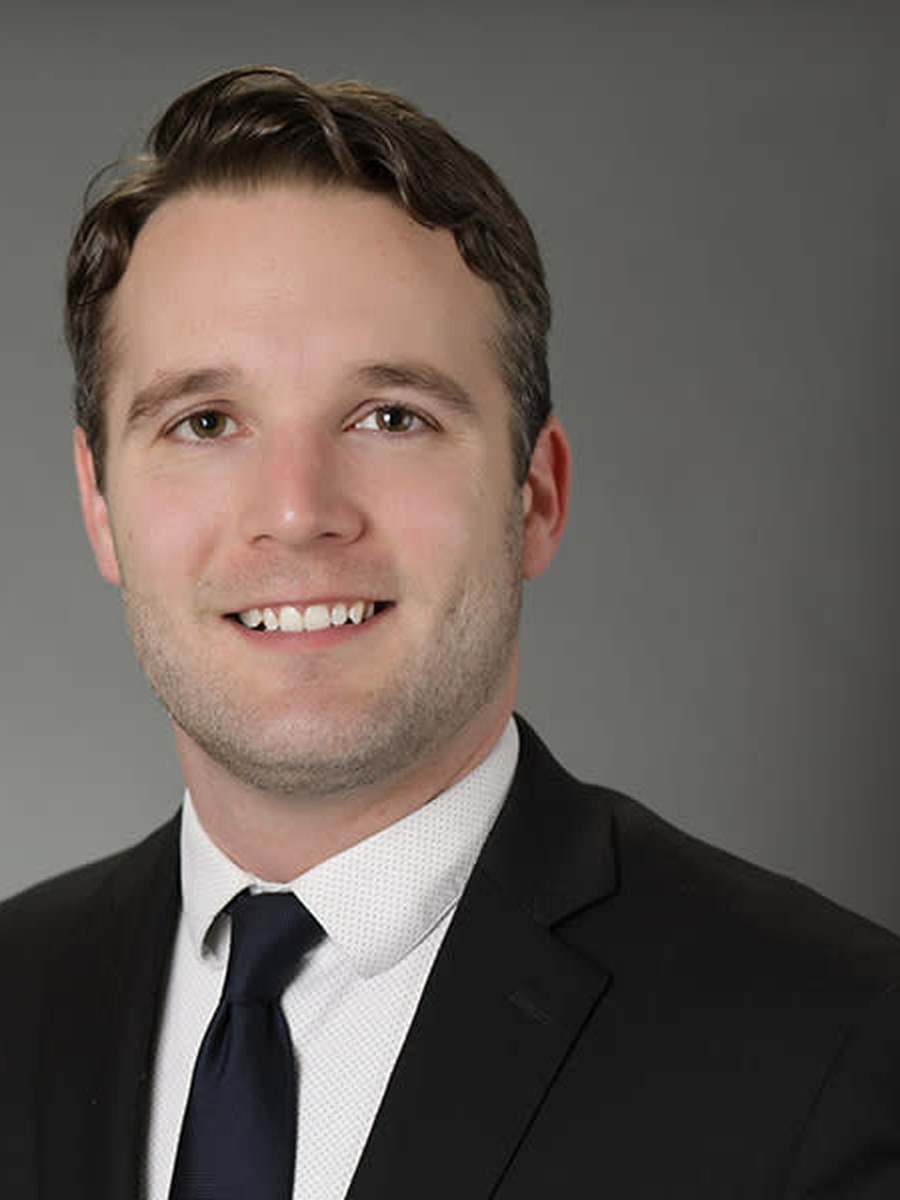
Joe Helfrick is a Sacramento-born trial attorney representing the seriously injured throughout Sacramento County and Placer County. B.A. History, Holy Cross College of Notre Dame (2010). J.D., Lincoln Law School (2015) — Faculty Achievement Award, Legal Analysis. Admitted to the California State Bar (2017) and the U.S. District Court, Eastern District of California (2020).
Talk to Joe. The first call is free.
Free, confidential, no obligation. You pay nothing unless we recover money for you.